


Back-to-School Screen Time in Nevada: Preventing Digital Eye Strain in Students
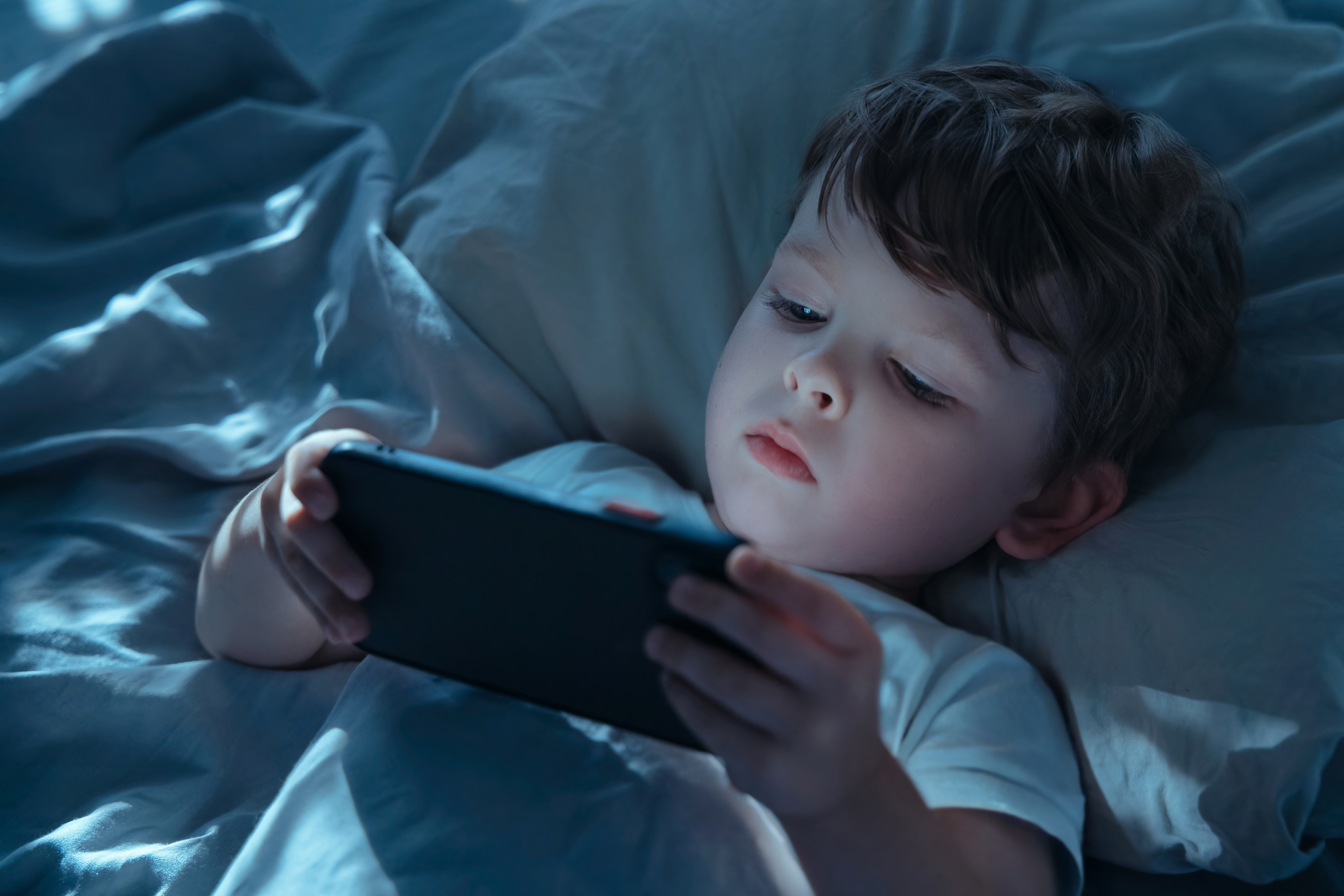
As students return to school, screens quickly become part of their daily routine. Laptops, tablets, smartphones, and digital classroom displays can support learning, but long periods of close-up screen use may also contribute to digital eye strain. At Optic Gallery, we help families understand how screen habits can affect comfortable vision and what students can do to protect their eyes throughout the school year.
What Is Digital Eye Strain?
Digital eye strain describes a group of symptoms that can develop after spending extended periods using computers, tablets, phones, and other digital devices. Students may experience symptoms during schoolwork, homework, gaming, or other screen-based activities.
Common signs of digital eye strain include:
• Tired, sore, or burning eyes
• Dry or watery eyes
• Headaches after reading or screen use
• Blurry or fluctuating vision
• Difficulty focusing between near and distant objects
• Neck or shoulder discomfort
• Trouble maintaining attention during close-up work
Symptoms can vary from student to student. A child may not always recognize that vision is contributing to discomfort, so parents should pay attention to patterns that appear during homework or extended device use.
Why Screen Time Can Be Hard on Students' Eyes
When students focus on a screen for long periods, their eyes continuously work to maintain clear near vision. They may also blink less frequently, which can contribute to dryness and irritation.
Screen position, glare, lighting, viewing distance, and an uncorrected vision prescription can make symptoms more noticeable. Students who already have farsightedness, astigmatism, focusing difficulties, or other vision concerns may experience more strain when classroom screen demands increase.
Building Healthier Screen Habits
Small changes can make digital learning more comfortable. Encourage students to take regular breaks from close work and look at something farther away periodically. Screens should be positioned at a comfortable viewing distance, and brightness should be adjusted to match the surrounding environment rather than being excessively bright.
Reminding children to blink regularly can also help reduce dryness. When possible, balancing screen-based activities with outdoor time and other visually varied activities gives the eyes opportunities to shift away from continuous near focusing.
The Role of Back-to-School Eye Exams
Even good screen habits cannot correct an underlying vision problem. A comprehensive eye exam allows us to evaluate more than whether a student can read letters from across the room. We can assess prescription needs, eye health, focusing, and other factors that may affect comfortable vision during school.
We also offer eyewear options designed around different visual needs. Depending on the student, updated prescription lenses or options intended to support comfortable near and intermediate vision may help reduce unnecessary visual effort during demanding school days.
Schedule a comprehensive eye exam with Optic Gallery to help your student start the school year with comfortable, confident vision. Visit our offices located in Las Vegas, Henderson, Reno, Sparks, and Pahrump, Nevada, or request your appointment online at www.opticgallery.com.

All Eye
Care Services

Keep
In Touch
© 2026 Optic Gallery. All Rights Reserved.
Powered by: 