


Blinded by Headlights? The Science Behind Night Driving Glare and Visual Contrast Loss
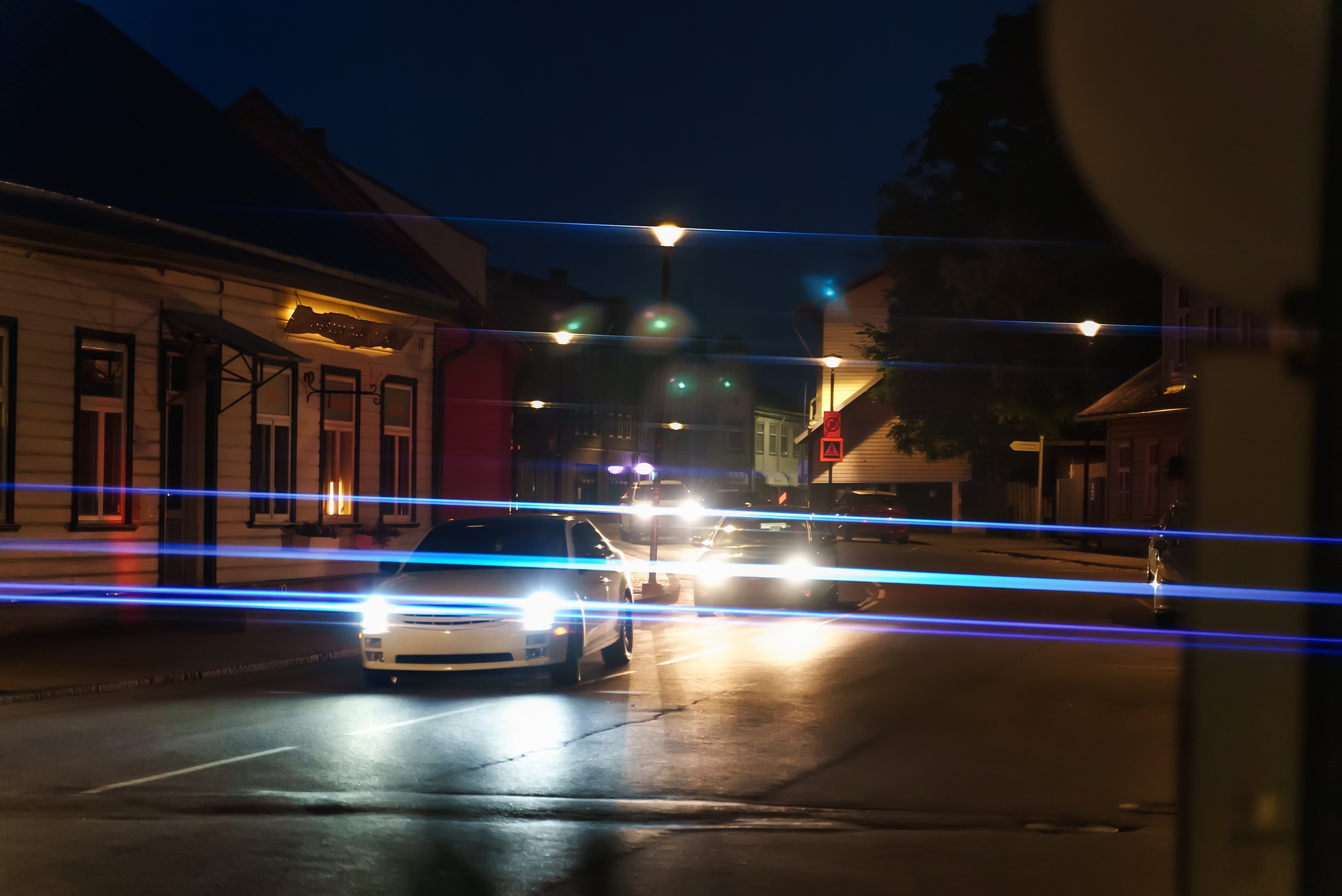
Bright headlights, halos around streetlights, and difficulty seeing lane markings can make nighttime driving stressful. These symptoms are often connected to night driving glare and visual contrast loss - problems that may not appear during a standard daytime vision check. At Optic Gallery, a comprehensive eye exam can help identify why low-light vision has become less clear and determine the right next steps.
Why Headlights Create Glare
Your pupils widen in dim conditions to allow more light into your eyes. This also allows more scattered or unfocused light to enter, making small changes in your prescription, astigmatism, dry eye, or the eye’s natural lens more noticeable. When a bright headlight enters your field of view, the light can spread across your vision and briefly wash out darker objects nearby.
This effect can make pedestrians, road signs, lane markings, and vehicles harder to detect. Even when standard visual acuity appears normal, reduced contrast sensitivity can affect how clearly you distinguish an object from its background.
Common Causes of Night Driving Glare
Night driving glare is not a single condition. It can develop for several reasons, including an outdated glasses or contact lens prescription, uncorrected astigmatism, dry eye, corneal irregularities, cataracts, or other changes in eye health. Scratched lenses and reflections from lenses without an anti-reflective coating can also add to visual discomfort.
Signs It Is Time for an Eye Exam
Schedule an eye exam when you notice:
• Halos, starbursts, or streaks around headlights
• Difficulty seeing lane lines or road signs at night
• Increased sensitivity to bright lights
• Frequent squinting or eye strain while driving
• Vision that seems clear during the day but blurry after dark
• A growing reluctance to drive at night
Sudden vision loss, flashes of light, a curtain-like shadow, or severe eye pain requires prompt medical attention.
Evaluating Visual Contrast Loss
A comprehensive eye exam looks beyond whether you can read small letters on an eye chart. Our optometrist will review your symptoms, measure your prescription, examine the front and back of your eyes, and look for conditions that may scatter light or reduce nighttime clarity. Depending on your concerns, additional glare or contrast sensitivity testing may be recommended. This evaluation helps separate a correctable prescription issue from dry eye, cataracts, retinal changes, or another eye health concern.
Options for Clearer Nighttime Vision
Your recommended care will depend on the cause of your symptoms. Options may include an updated prescription, lenses with anti-reflective treatment, dry eye care, contact lens adjustments, or monitoring and managing an underlying eye condition.
Schedule an eye exam with Optic Gallery to identify the cause of nighttime glare and improve your visual clarity and confidence on the road. Visit our offices located in Las Vegas, Henderson, Reno, Sparks, and Pahrump, Nevada, or request your appointment online at www.opticgallery.com.

All Eye
Care Services

Keep
In Touch
© 2026 Optic Gallery. All Rights Reserved.
Powered by: 