


Preventive Eye Care: Catching Problems Early Through Routine Exams
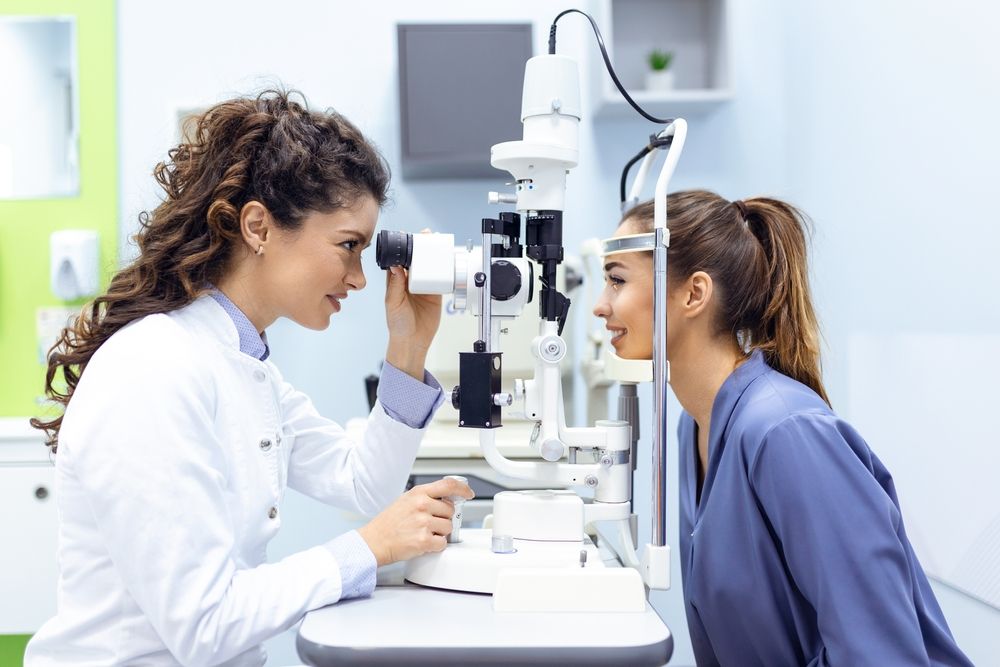
Seeing clearly is just one part of healthy vision. Your eyes can change gradually over time, and many conditions begin long before symptoms appear. Preventive eye care through routine comprehensive eye exams allows your optometrist to identify small changes early, helping protect your sight and overall eye health for the future.
Why Preventive Eye Care Matters
Preventive eye care is proactive. Instead of waiting for vision loss or discomfort, routine eye exams allow your optometrist to monitor how your eyes are functioning over time. Subtle changes (often unnoticed by patients) can be early warning signs of eye diseases.
What Happens During a Comprehensive Eye Exam?
A comprehensive eye exam goes far beyond reading letters on a chart. During your visit, your optometrist evaluates both how well you see and how healthy your eyes are.
Your exam may include:
Vision testing to assess clarity and focus
Prescription evaluation for glasses or contact lenses
Eye muscle and alignment checks
Measurement of eye pressure
Detailed examination of the retina and optic nerve
Screening for early signs of eye disease
These tests help detect conditions that often develop silently, without pain or obvious symptoms.
Eye Conditions That Can Be Caught Early
Many serious eye conditions progress slowly and don’t affect vision right away. Routine exams can detect early signs of:
Uncorrected refractive errors (nearsightedness, farsightedness, astigmatism)
Digital eye strain
Dry eye disease
Keratoconus
Glaucoma
Macular degeneration
Diabetic eye disease
Cataracts
Retinal disorders
Catching these conditions early can significantly slow progression and preserve vision long-term. In some cases, your eye exam may even reveal signs of general health issues like diabetes, high blood pressure, or autoimmune conditions.
Kids, Adults, and Seniors All Benefit
Each stage comes with its own set of visual demands and potential risks, which is why routine eye exams are important from childhood through adulthood and beyond.
For children, early eye exams can uncover vision problems and eye conditions that aren’t always obvious at home or in the classroom. Issues such as focusing difficulties, eye coordination problems, lazy eye (amblyopia), crossed eyes (strabismus), early nearsightedness, or uncorrected prescriptions can all impact reading, attention, and overall learning.
For adults, vision changes often happen gradually. Long hours on digital devices, workplace demands, stress, and lifestyle changes can lead to eye strain, headaches, dry eyes, or subtle focusing issues.
For older adults, preventive eye care becomes even more essential. Regular exams help monitor age-related changes and screen for conditions that may impact independence, such as reduced night vision, depth perception changes, or early signs of eye disease.
Establishing a regular eye exam schedule allows your optometrist to track changes over time, compare results year to year, and act quickly if something looks concerning. Preventive care is about protecting your eyes for every stage of life.
Take a Proactive Step for Your Vision
Preventive eye care through routine comprehensive exams gives you peace of mind, early detection, and the best chance at preserving your vision for years to come. At Optic Gallery, we believe your eye care should feel personal, thorough, and focused on your long-term health.
Contact Optic Gallery today to schedule your comprehensive eye exam and stay ahead of changes before they become problems. Visit our offices located in Las Vegas, Henderson, Reno, Sparks, and Pahrump Nevada, or request your appointment online at www.opticgallery.com.

All Eye
Care Services

Keep
In Touch
© 2026 Optic Gallery. All Rights Reserved.
Powered by: 