


The Mojave Moisture Deficit: Evaporative Dry Eye
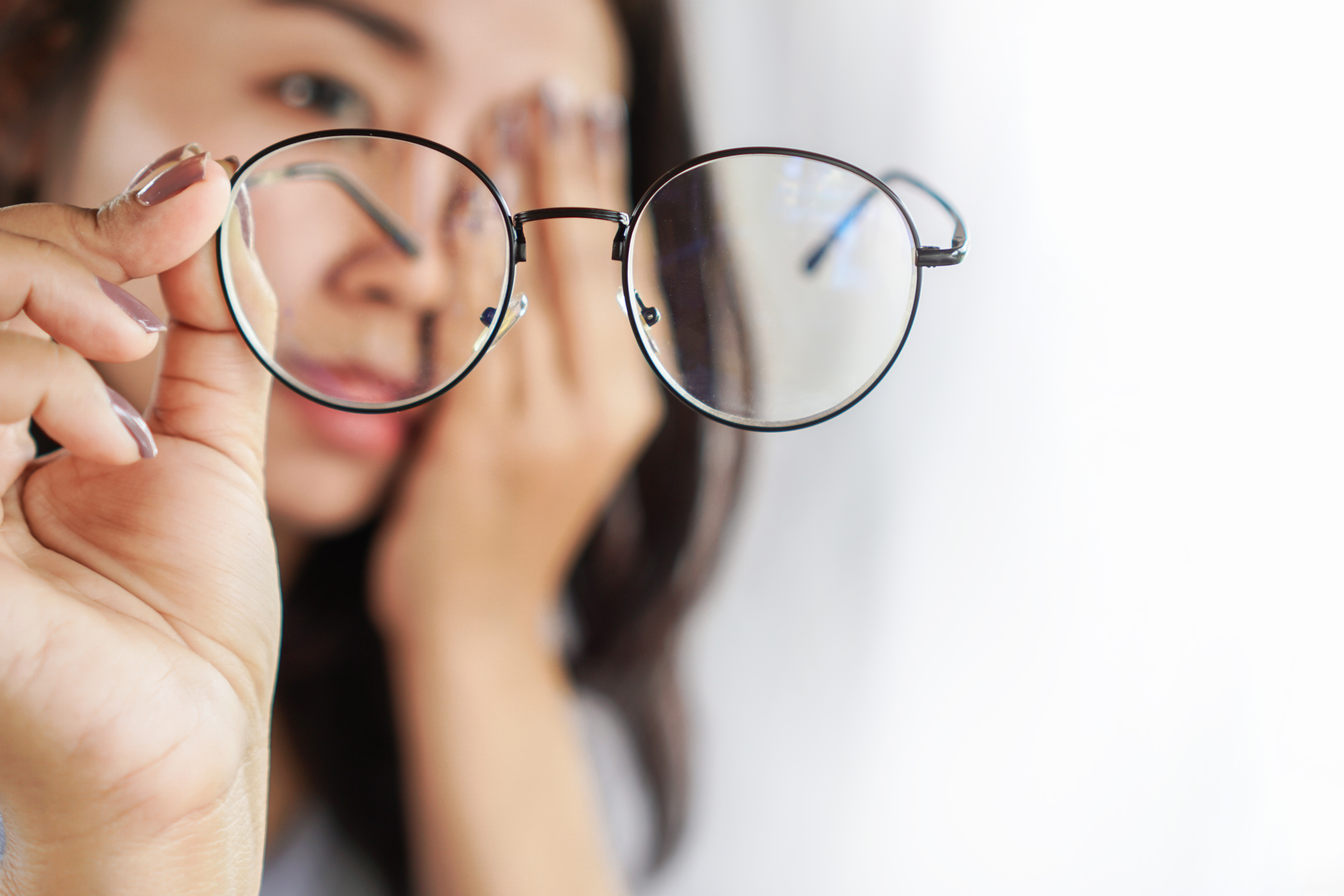
Living in the Mojave Desert means dealing with dry air, wind, heat, and bright sun for much of the year. While these conditions affect the skin and sinuses, they also have a major impact on the eyes. For many people, the result is evaporative dry eye, a common form of dry eye that happens when tears dry up too quickly.
Healthy tears need the right balance of water, oil, and mucus. When the oil layer is poor or unstable, tears evaporate faster than they should. This leaves the surface of the eye exposed, irritated, and uncomfortable.
What Is Evaporative Dry Eye?
Evaporative dry eye is often linked to meibomian gland dysfunction, also called MGD. These glands sit along the eyelids and produce the oil that helps protect the tear film. When the glands become blocked or inflamed, the tear film breaks down more quickly. In a dry climate, this problem can feel even worse. The eyes may work harder to stay moist, but without enough quality oil in the tear film, symptoms can continue throughout the day.
Common Symptoms To Watch For
Evaporative dry eye does not always feel like simple dryness. Some patients experience irritation that comes and goes, while others notice symptoms that worsen during screen use, outdoor activities, or windy weather.
Signs of evaporative dry eye may include:
• Burning, stinging, or scratchy eyes
• Redness or irritation
• Watery eyes that still feel dry
• Blurry vision that clears with blinking
• Sensitivity to wind, smoke, or air conditioning
• Contact lens discomfort
• A tired or heavy feeling around the eyes
How Desert Air Affects Your Eyes
The Mojave environment can increase tear evaporation because the air holds very little moisture. Add in air conditioning, desert winds, dust, and long hours on digital devices, and the tear film can become unstable very quickly.
Many people try artificial tears first, which may provide temporary comfort. However, if the main issue is poor oil production or blocked meibomian glands, drops alone may not address the underlying cause. A dry eye evaluation helps identify whether evaporative dry eye, inflammation, allergies, or another issue is contributing to symptoms.
How Dry Eye Care Helps
At Optic Gallery, dry eye care begins with understanding what is affecting your tear film. A personalized evaluation allows our team to look at your symptoms, lifestyle, eye health, and tear quality before recommending treatment options.
Depending on your needs, care may include at-home eyelid hygiene, lubricating drops, warm compresses, lifestyle adjustments, or in-office dry eye treatments. The goal is to improve comfort, support better tear stability, and help protect the surface of the eyes from ongoing irritation.
When To Schedule A Dry Eye Evaluation
Dry eye symptoms should not be ignored, especially when they interfere with reading, driving, computer work, contact lens wear, or outdoor activities. If your eyes often feel dry, irritated, watery, or tired in the desert climate, it may be time to look beyond temporary relief.
Schedule a dry eye evaluation with Optic Gallery to better understand what is causing your symptoms and what treatment options may help. Visit our offices located in Las Vegas, Henderson, Reno, Sparks, and Pahrump, Nevada, or request your appointment online at www.opticgallery.com.

All Eye
Care Services

Keep
In Touch
© 2026 Optic Gallery. All Rights Reserved.
Powered by: 